

Table of Contents
- Introduction Pressure Vessel Reinforcement in ANSYS APDL
- Finite Element Modeling
- Reinforcement Strategies
- Results and Discussion
- Conclusion
1. Introduction
Pressure vessels are among the most important structural components used in industrial facilities such as petrochemical plants, oil and gas pipelines, pressure storage systems, and power generation units. Because these structures operate under internal pressure, excessive deformation and localized stress concentrations may reduce their structural integrity and service life.
Pressure Vessel Reinforcement in ANSYS APDL
Finite Element Analysis (FEA) provides an efficient numerical approach for evaluating the mechanical behavior of pressure vessels before fabrication. Numerical simulation allows engineers to investigate stress distribution, deformation patterns, and the effectiveness of different reinforcement techniques while reducing the need for expensive experimental testing.
In this student project, a three-dimensional cylindrical steel pressure vessel was modeled in ANSYS APDL. The main objective is to investigate the influence of different stiffening methods on the structural performance of the vessel subjected to internal pressure.
Two reinforcement techniques were investigated:
- Longitudinal Stiffeners
- Circumferential (Ring) Stiffeners
The structural responses of the reinforced models were then compared with the original pressure vessel.
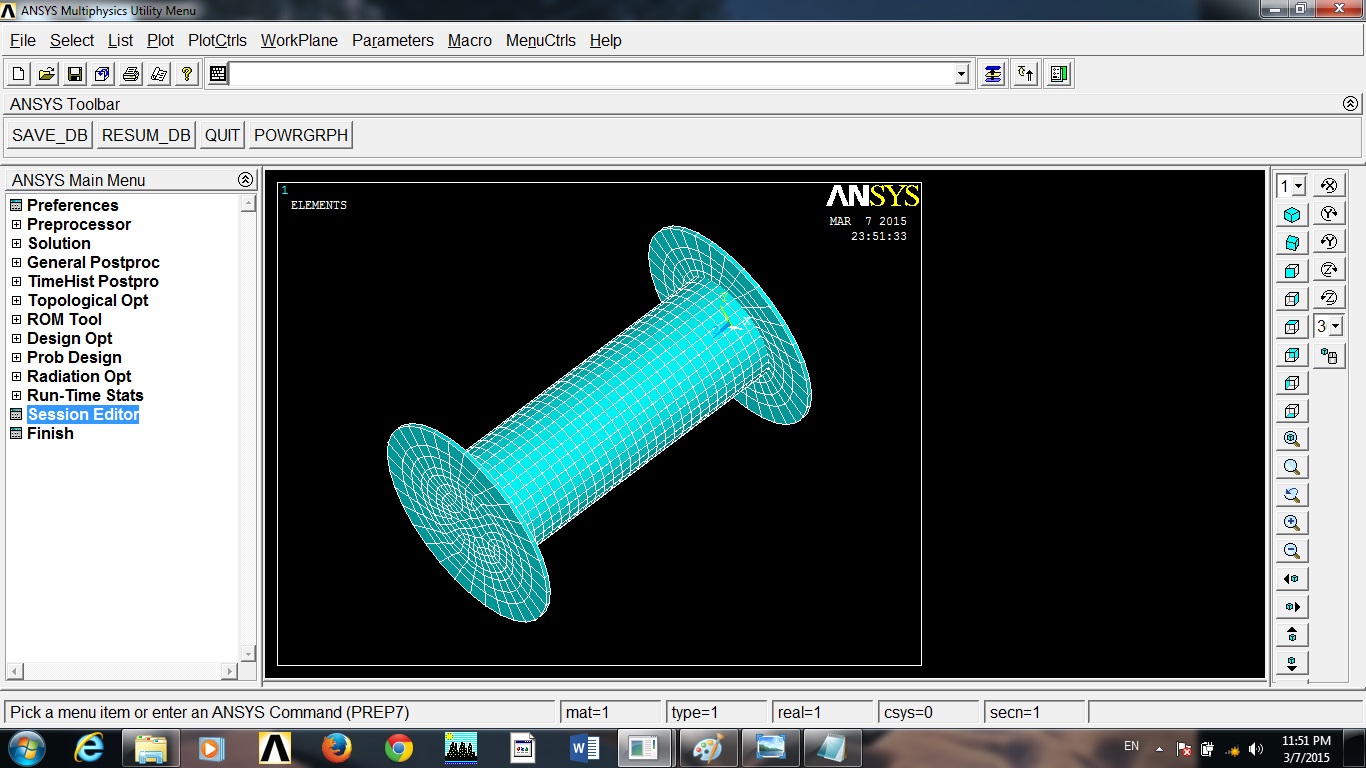
Figure 1. Three-dimensional finite element model of the pressure vessel.
2. Finite Element Modeling
The pressure vessel was created using the parametric modeling capabilities of ANSYS Parametric Design Language (APDL). APDL enables engineers to generate accurate geometrical models, automate repetitive procedures, and easily modify structural dimensions through parameter definitions.
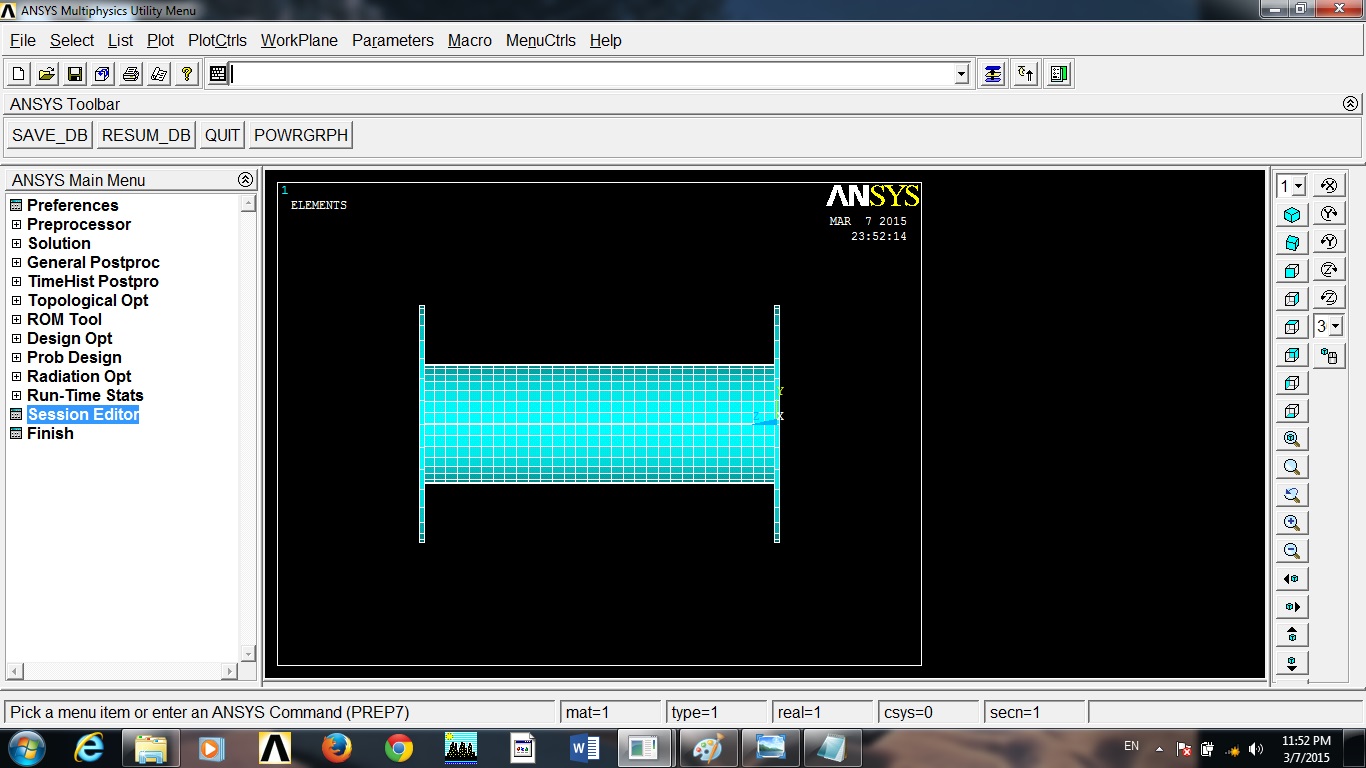
The finite element model consists of a cylindrical shell with two end plates. Material properties corresponding to structural steel were assigned, and an appropriate finite element mesh was generated to accurately capture the stress field throughout the vessel.
The analysis includes:
- Three-dimensional geometry generation
- Parametric dimensions
- Structural steel material definition
- Internal pressure loading
- Boundary condition definition
- Static structural analysis
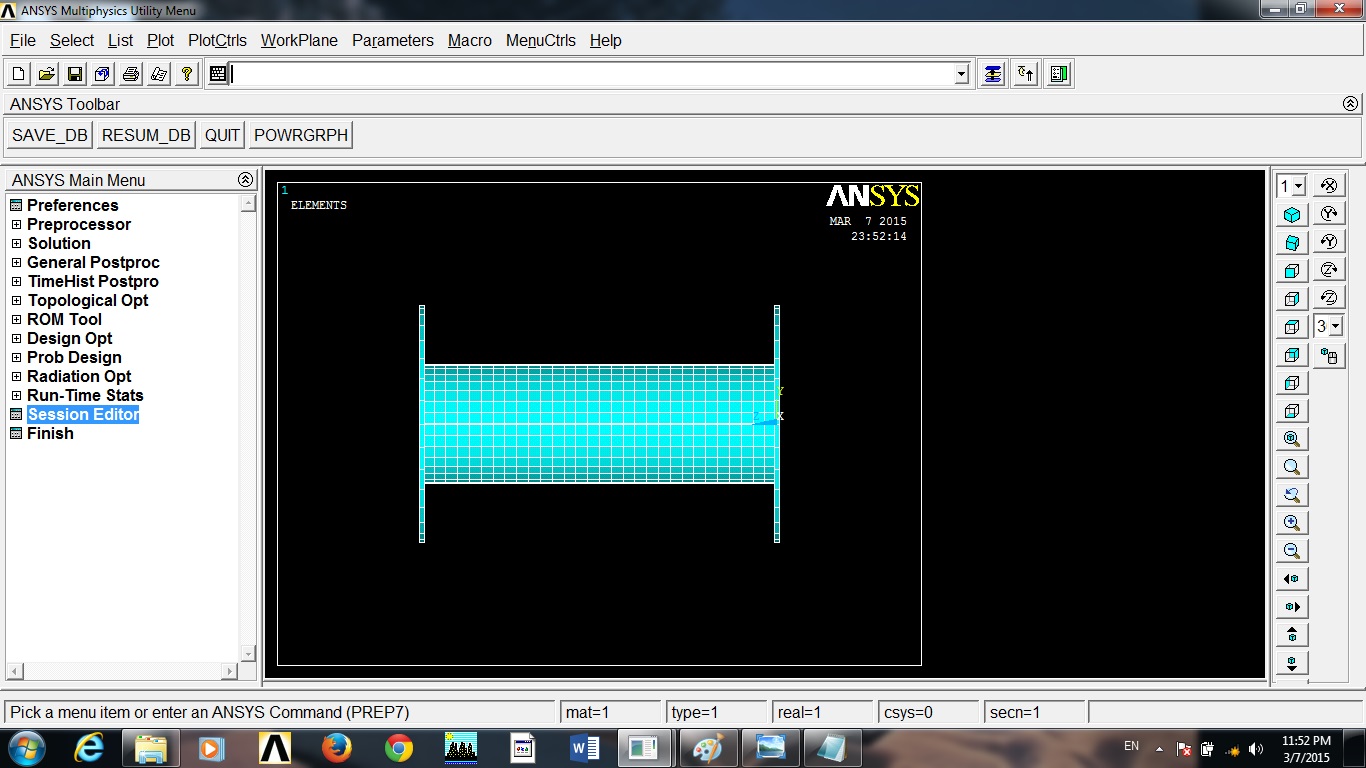
Figure 2. Finite element mesh of the pressure vessel.
3. Reinforcement Strategies
To improve the structural performance of the pressure vessel, two different reinforcement techniques were investigated.
Model 1 – Longitudinal Stiffeners
Several longitudinal stiffeners were attached along the external surface of the cylindrical shell. These stiffeners increase the axial stiffness of the vessel and reduce deformation caused by internal pressure.
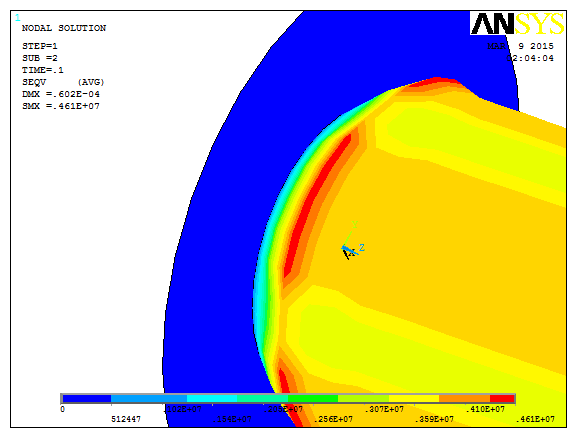
Figure 3. Pressure vessel reinforced using longitudinal stiffeners.
Model 2 – Circumferential Stiffeners
Ring stiffeners were placed around the circumference of the vessel at selected locations. These stiffeners improve hoop stiffness and reduce radial expansion of the cylindrical shell.
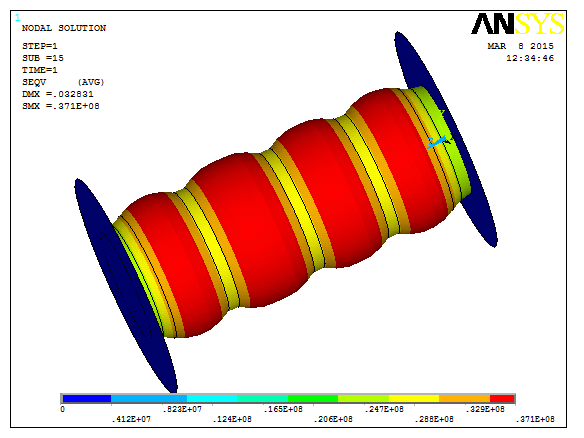
Figure 4. Pressure vessel reinforced using circumferential stiffeners.
4. Results and Discussion
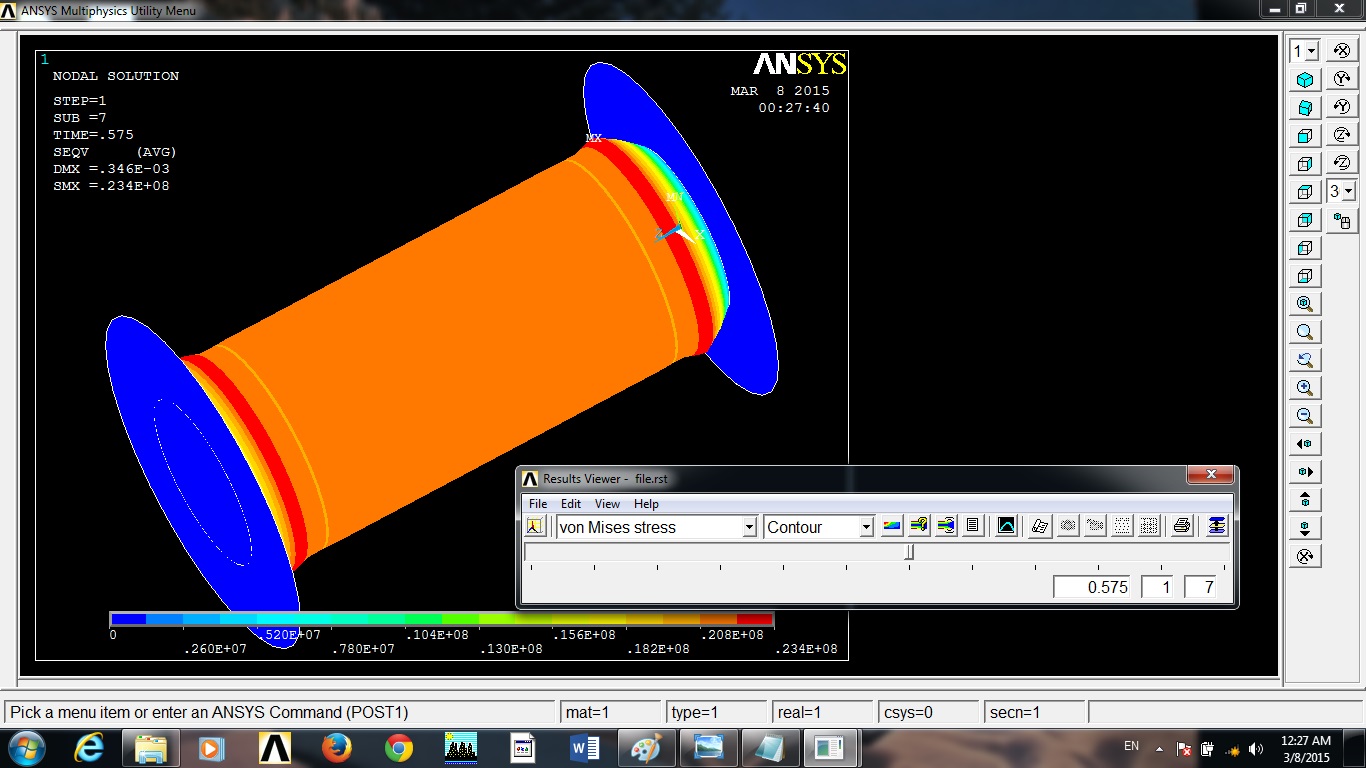
The numerical results demonstrate that both reinforcement techniques improve the structural behavior of the pressure vessel compared with the unstiffened model.
The comparison focuses on:
- Total deformation
- Equivalent (Von Mises) stress
- Stress distribution
- Structural stiffness
The longitudinal stiffeners primarily enhance the axial stiffness of the vessel, whereas the circumferential stiffeners are more effective in controlling radial deformation and hoop stresses generated by the internal pressure.
The numerical comparison allows students to better understand how different reinforcement layouts influence the mechanical response of cylindrical pressure vessels.
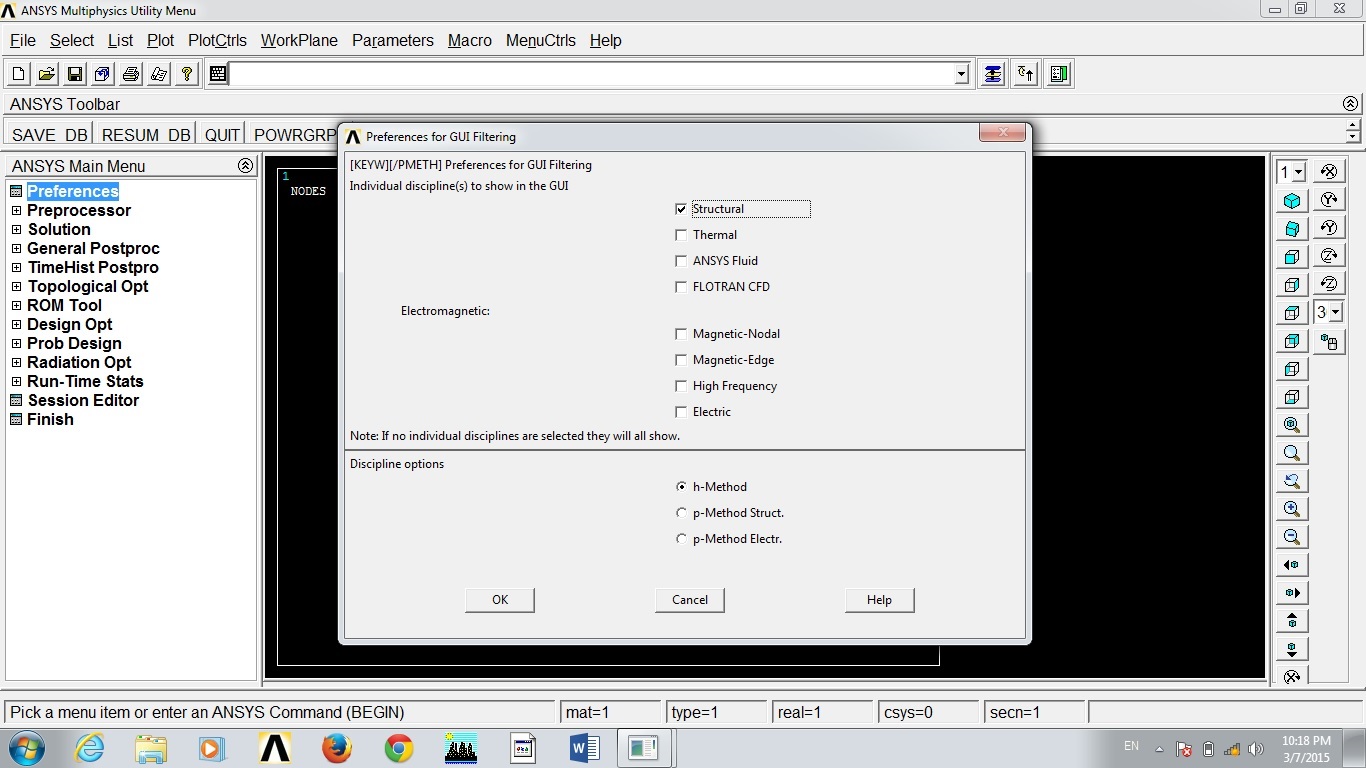
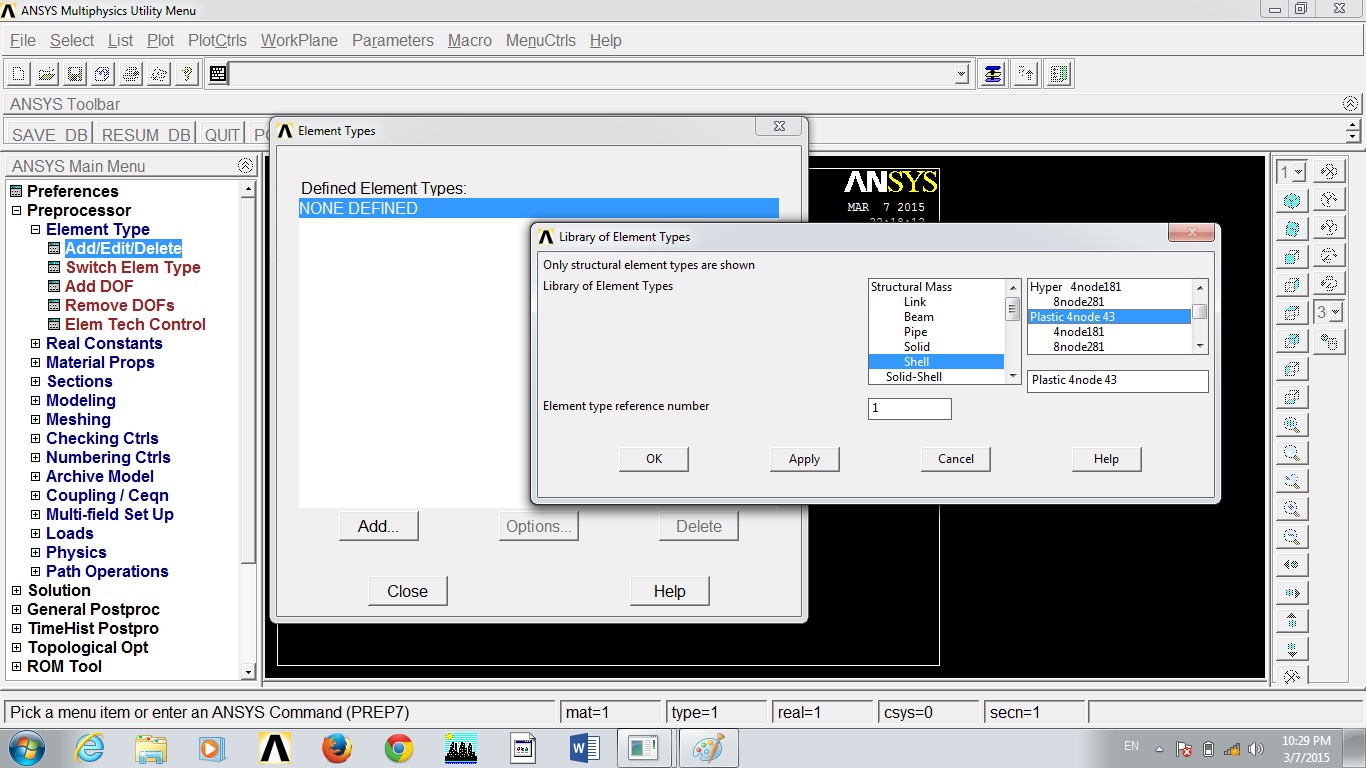
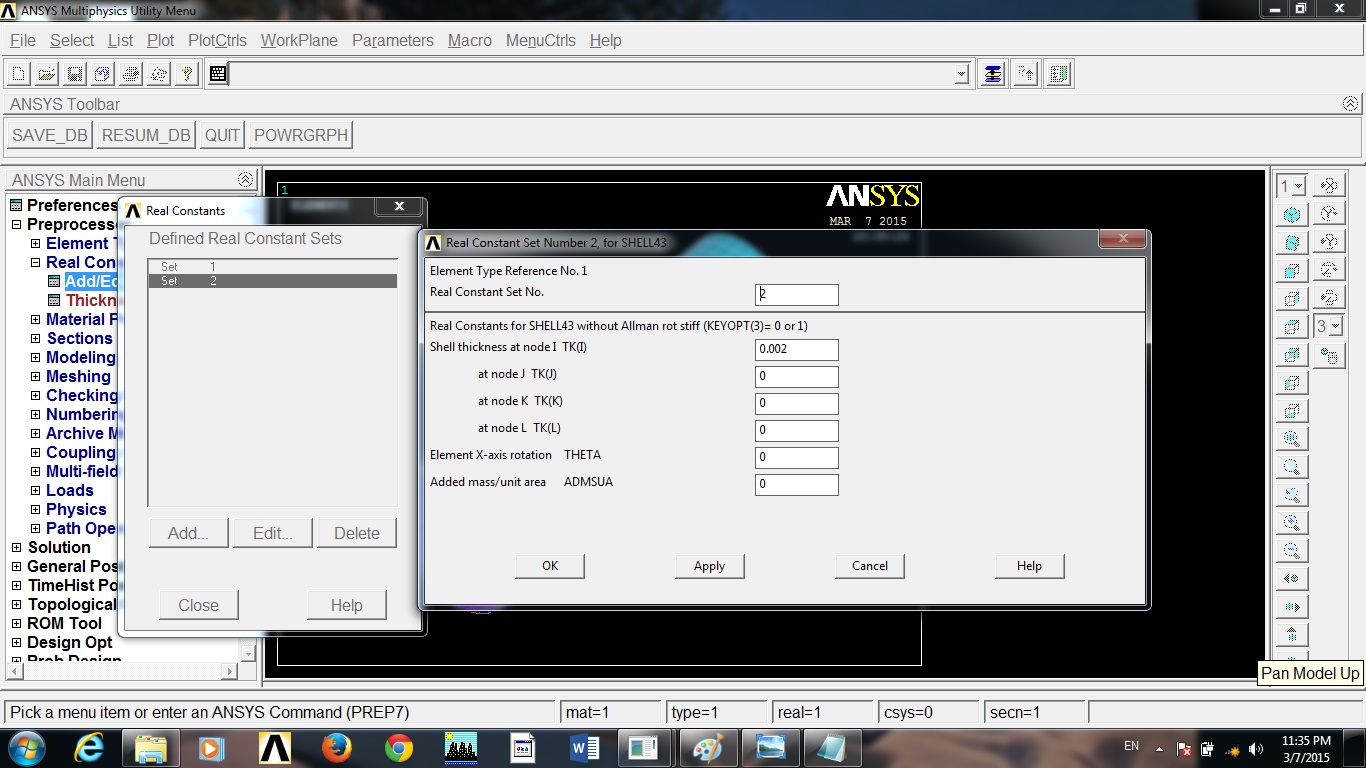
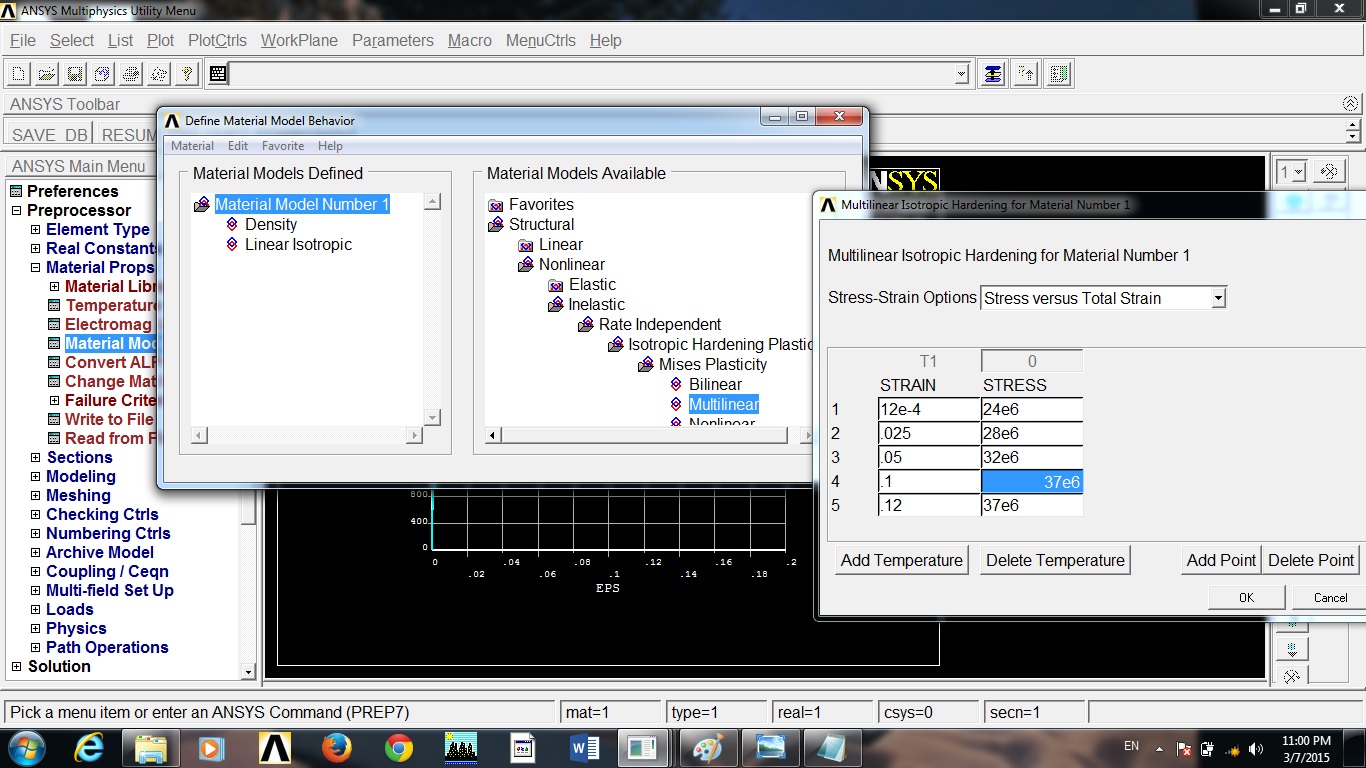
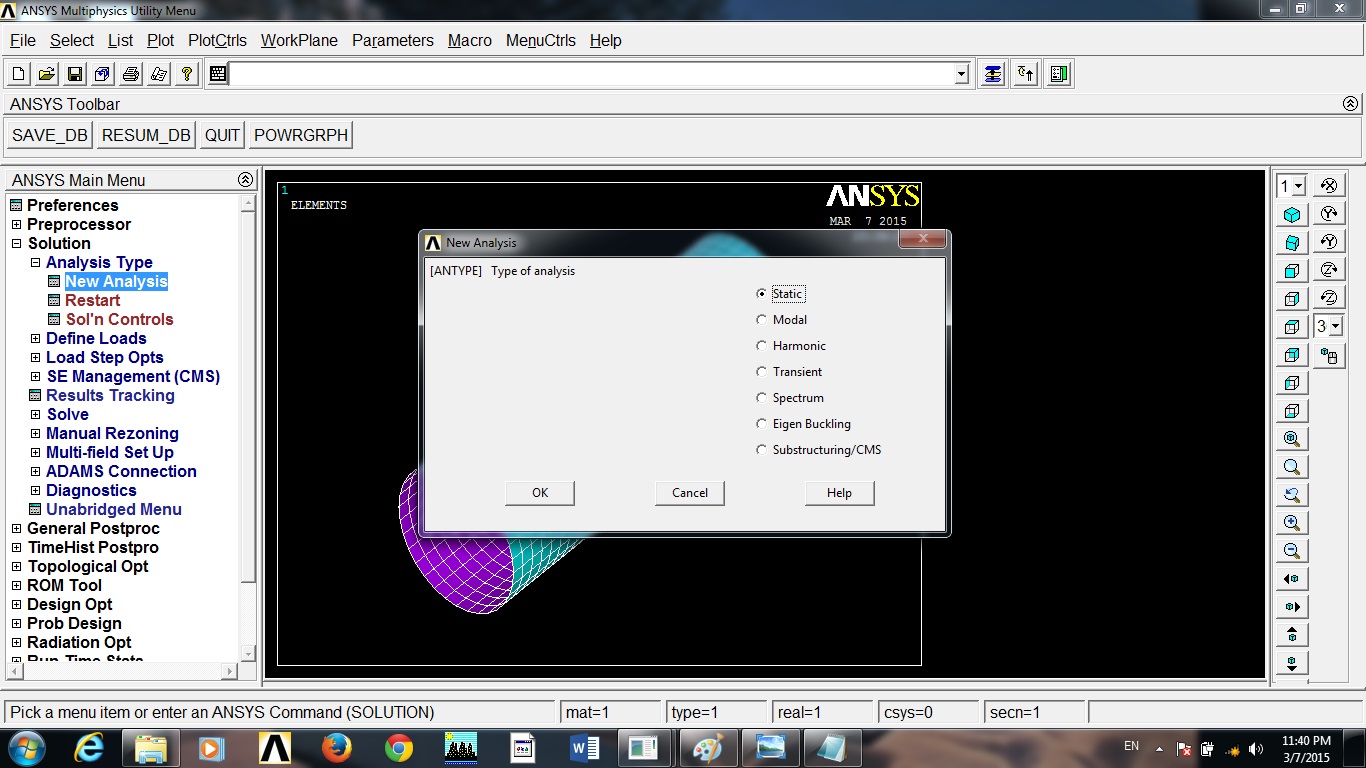
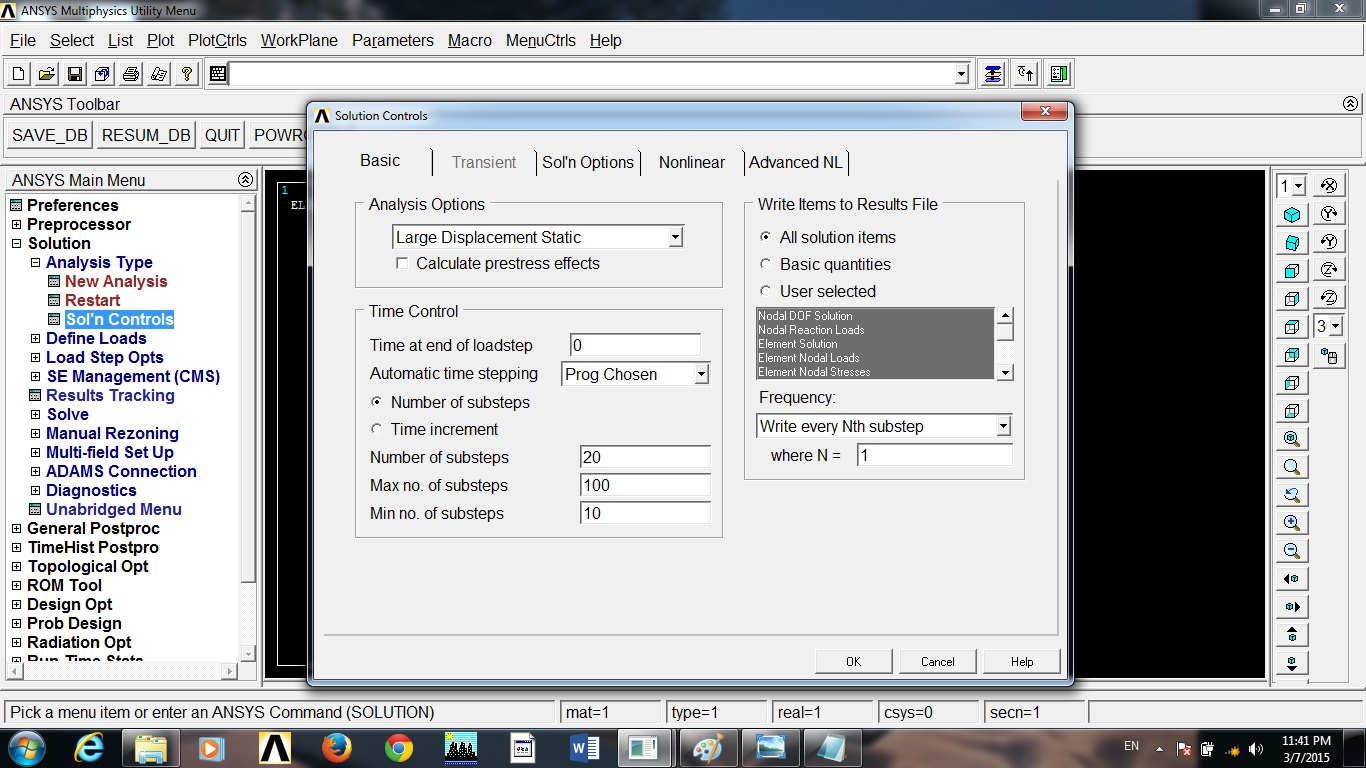
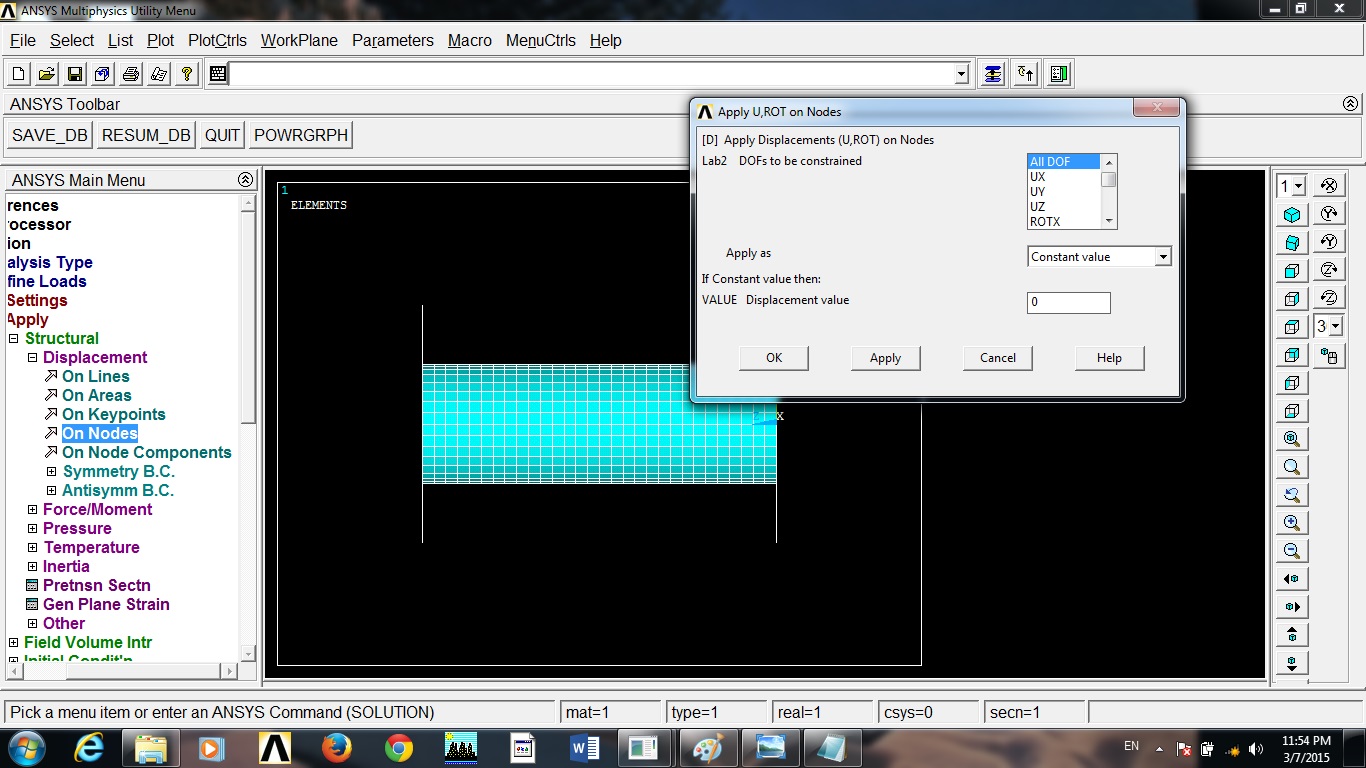
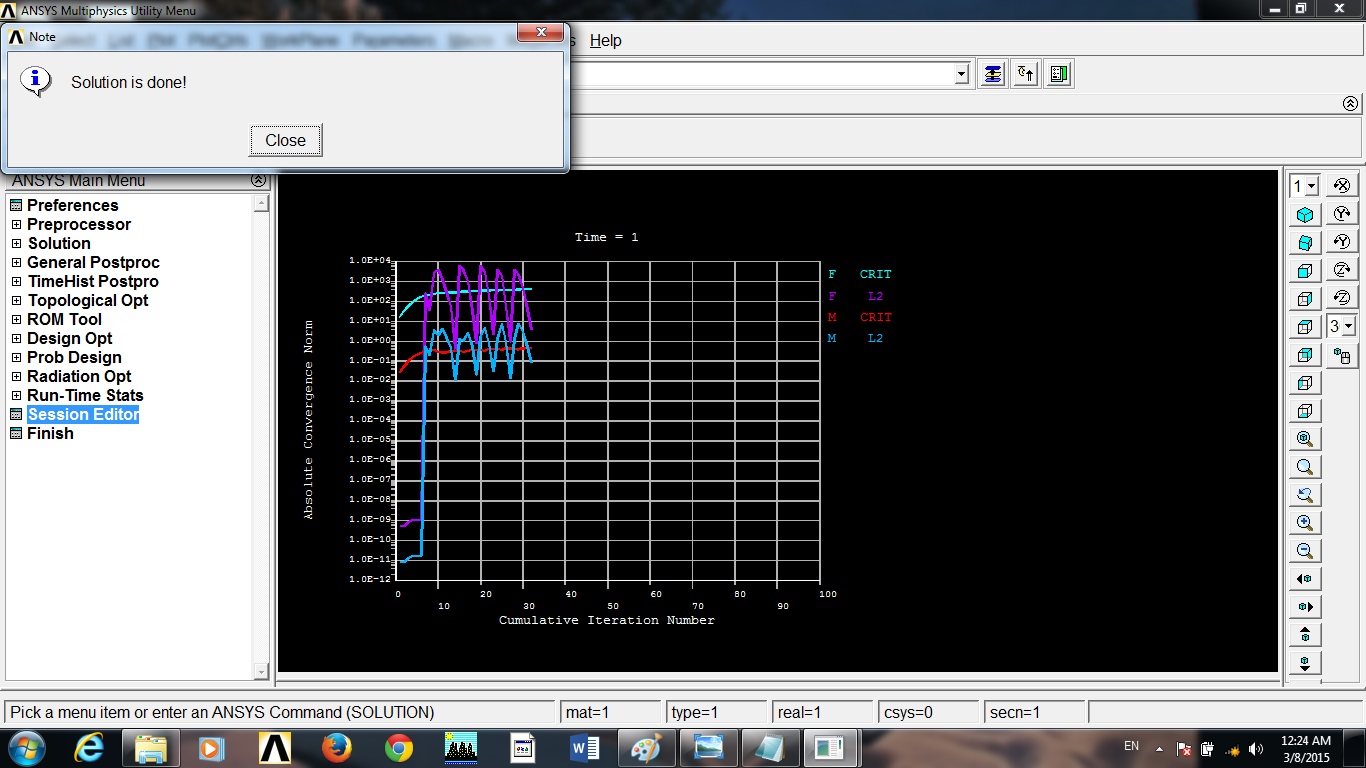
Step by step Modeling in ANSYS APDL
5. Conclusion
This student project demonstrates the application of ANSYS APDL for evaluating reinforcement techniques in cylindrical pressure vessels subjected to internal pressure.
Both reinforcement methods successfully improved the structural performance of the vessel by reducing deformation and redistributing stresses. Although the effectiveness of each reinforcement strategy depends on the design objectives, the numerical simulations clearly show that stiffeners significantly increase the overall stiffness and structural efficiency of the pressure vessel.
This project provides an educational example of finite element modeling, pressure vessel analysis, and structural strengthening techniques using ANSYS APDL. It also serves as a practical introduction for engineering students who wish to learn parametric modeling and structural analysis through real numerical applications.
References
- ASME Boiler and Pressure Vessel Code (BPVC), Section VIII – Rules for Construction of Pressure Vessels.
- ANSYS Mechanical APDL Theory Reference.
- ANSYS Mechanical APDL Modeling and Meshing Guide.
- Timoshenko, S., & Goodier, J. N. Theory of Elasticity. McGraw-Hill.
- Ugural, A. C. Stresses in Plates and Shells. McGraw-Hill.
Related Project